Dream It, Stitch It: The Pispala Way
Photos: LIISA MÄKINEN, LENNI LIEKKINEN, SAMI SÄNPÄKKILÄ
Published: May 29, 2026
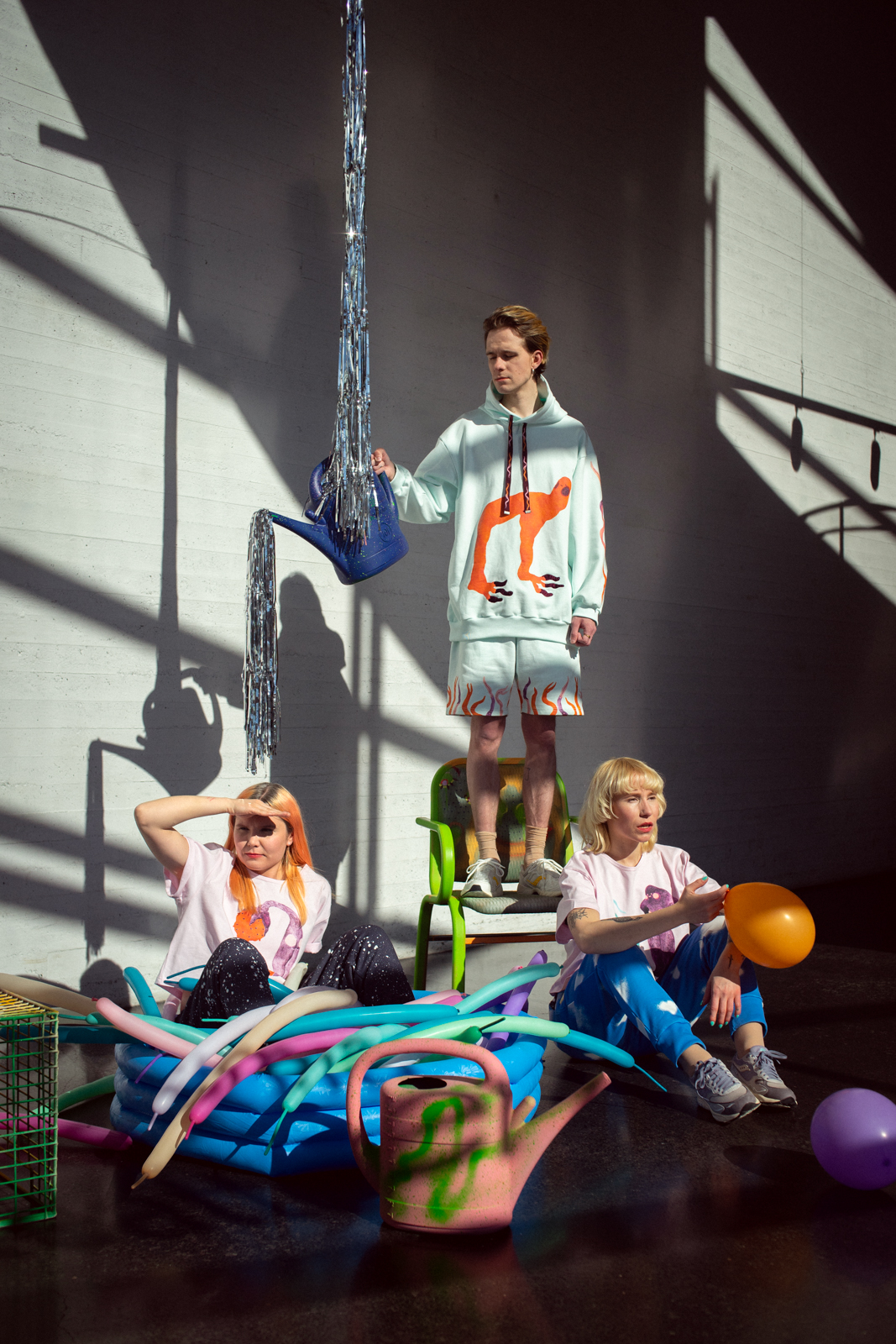
A Creative Space Beyond Fashion
There’s a unique energy surrounding new fashion brands today. It’s a mix of creativity, experimentation, and the confidence to do things differently. Pispala Clothing exists exactly in that space. But instead of focusing only on clothing, the brand has created something wider: a creative platform where fashion, art, music, and collaboration naturally come together. Founded in the early 2020s, Pispala Clothing didn’t begin as a carefully planned business project. It grew organically from real experiences, friendships, travel, and the creative scene surrounding the founders. What started as an idea slowly turned into something real, something that felt necessary.
“We had this idea of combining art and clothing,” Lauri shares. “There were already so many artists around us, and it felt natural to bring those worlds together.”
That spontaneous beginning still defines the brand today. Pispala doesn’t present itself as something fixed or fully complete. Instead, it constantly evolves through new collaborations, ideas, and creative experimentation. Trying to describe Pispala as simply a fashion label almost feels limiting. Clothing remains at the center, but around it exists a larger creative ecosystem that includes exhibitions, performances, visual art, and interdisciplinary projects.
As Lauri explains, the brand is “a feeling” and “something more than just a clothing brand.” That mindset is what makes Pispala stand out. The brand acts as a meeting point for artists, musicians, and creatives from different backgrounds. Fashion becomes the platform connecting these worlds together. Each collection feels less like the vision of one person and more like a conversation between multiple creative voices.
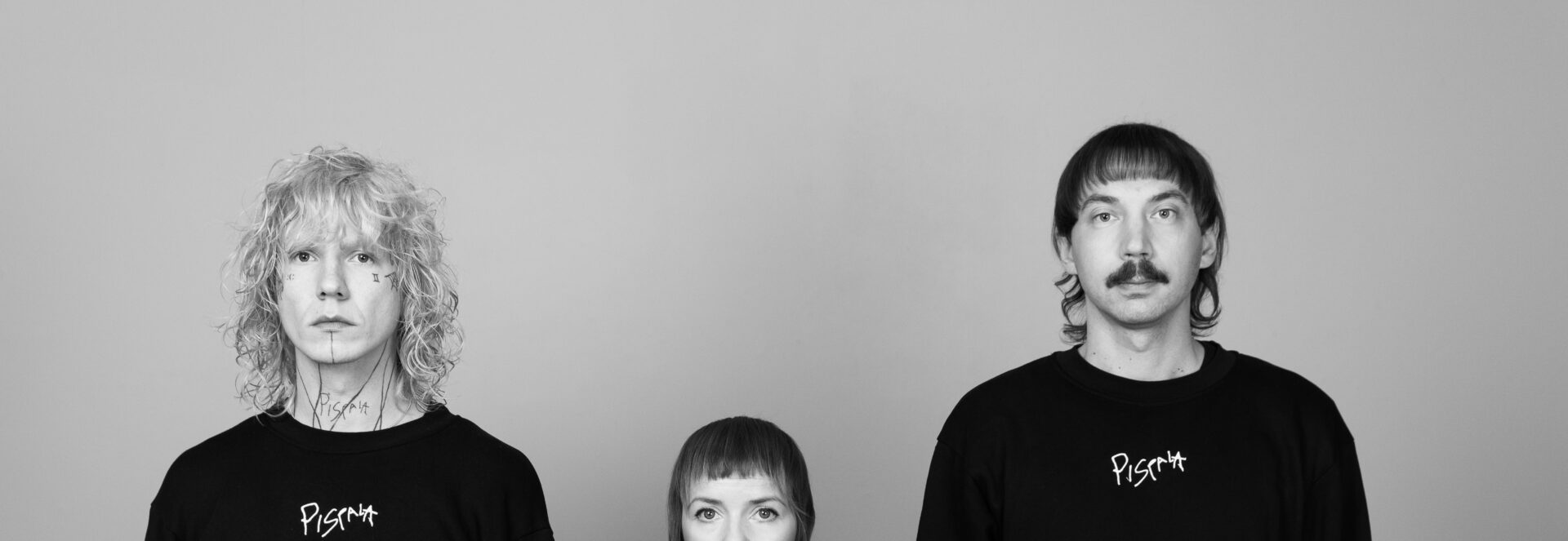
Designing Through Emotion
For Head of Design Lauri Järvinen, the creative process often starts not with clothing itself, but with artwork created by collaborators. From there, he builds an atmosphere around the work, sometimes punk-inspired, sometimes sporty, and sometimes something harder to define. This approach turns fashion design into a form of interpretation. The challenge is translating artwork into wearable pieces without losing the original emotion behind it.
Although he mainly describes himself as a clothing designer, Lauri believes creativity and artistry naturally overlap. “Honestly, I think every designer is also an artist,” he explains. That balance between function and self-expression runs through every stage of the brand’s work.
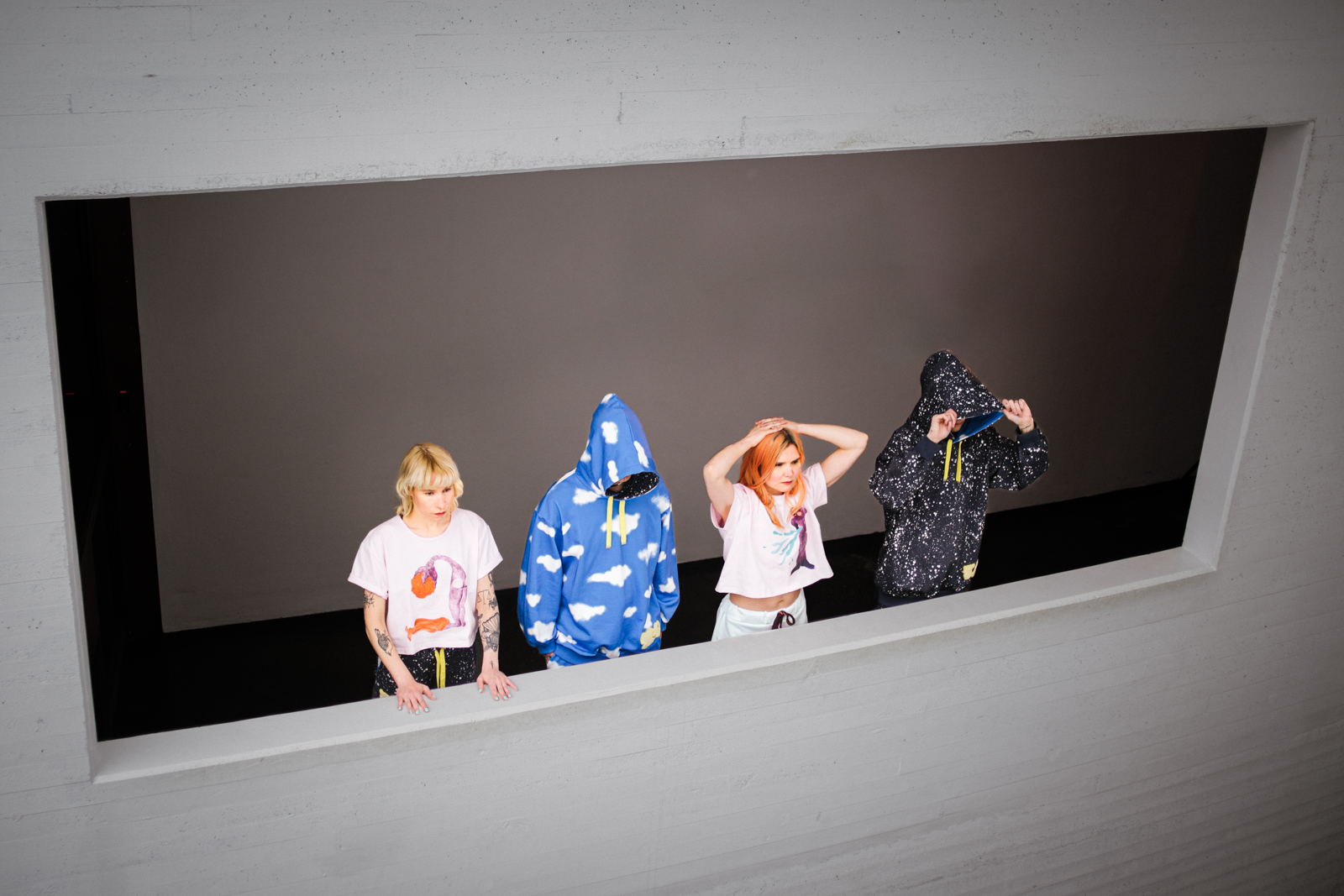
Creativity Meets Reality
While the creative process itself feels fluid, production introduces a completely different reality. Materials, factories, budgets, and technical limitations all shape the final outcome. According to Lauri, production is often the hardest part of the process because every detail, from colors to fabric choices has to work both creatively and practically while still respecting the original artwork.
At the same time, those limitations often become part of the creative identity of the collection. Large minimum production quantities, for example, push the team to rethink how garments are designed and connected within a collection. Instead of becoming restrictions, these challenges help create collections that feel visually unified and cohesive.
Personal Projects and Creative Influences
Even though Pispala is deeply collaborative, personal influences still play a strong role in its identity. When asked about the most meaningful project, Lauri Järvinen explains that every collection has reflected a specific moment in the brand’s journey.
“Honestly, every collection has been important at the time we made it,” Lauri says.
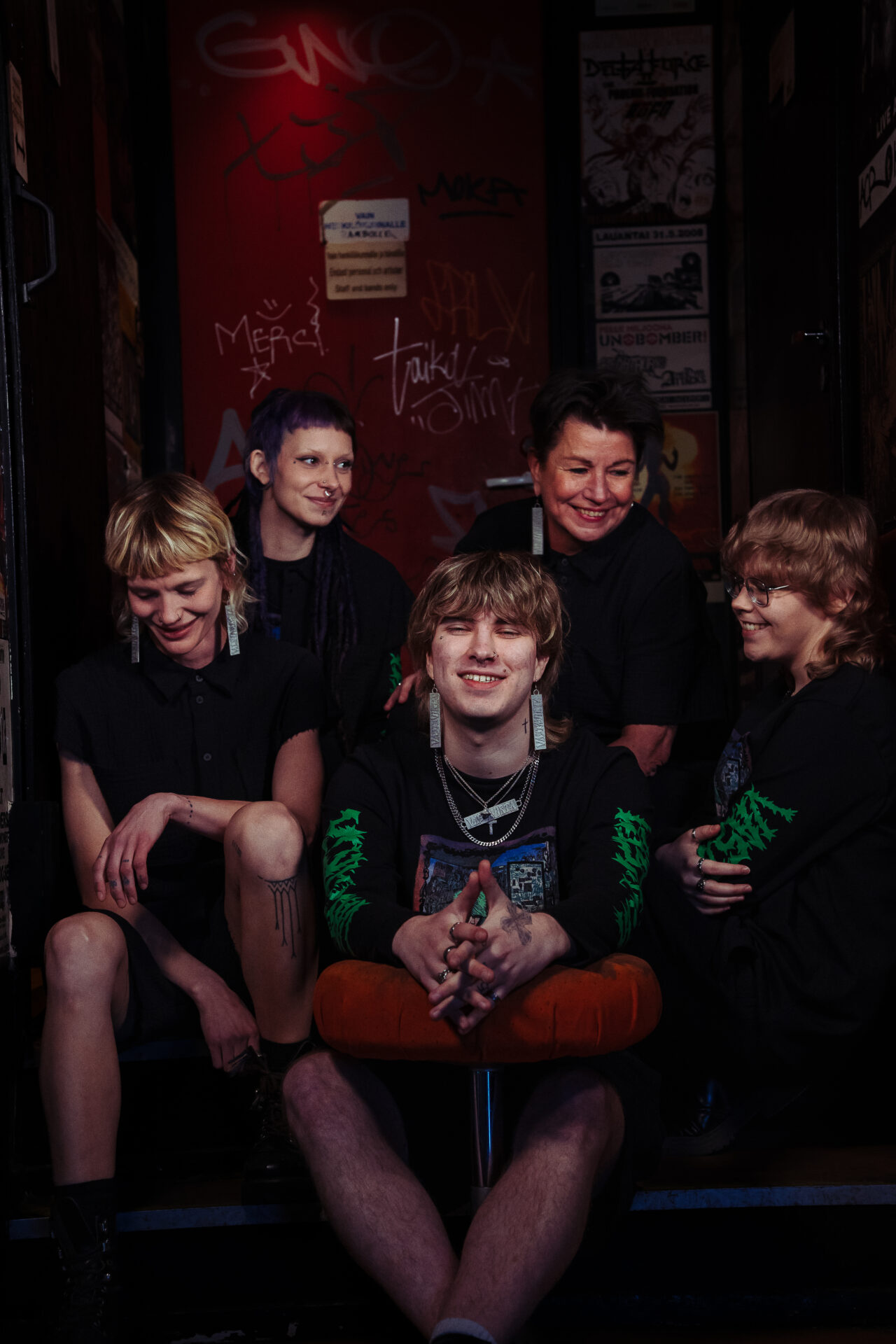
One of the earliest major milestones for the design team was the collaboration with Kiasma Museum in 2023, a project that helped establish the brand’s creative identity in its early years. For Lauri, however, the Vastavirta collection in 2025 became the most meaningful project. According to him, the collection carried a strong punk influence and was inspired by the rebellious spirit of Vivienne Westwood, whose work has remained one of his biggest inspirations. That influence connects Pispala to a wider tradition of fashion that treats clothing not simply as a product, but as a form of identity, attitude, and cultural expression.
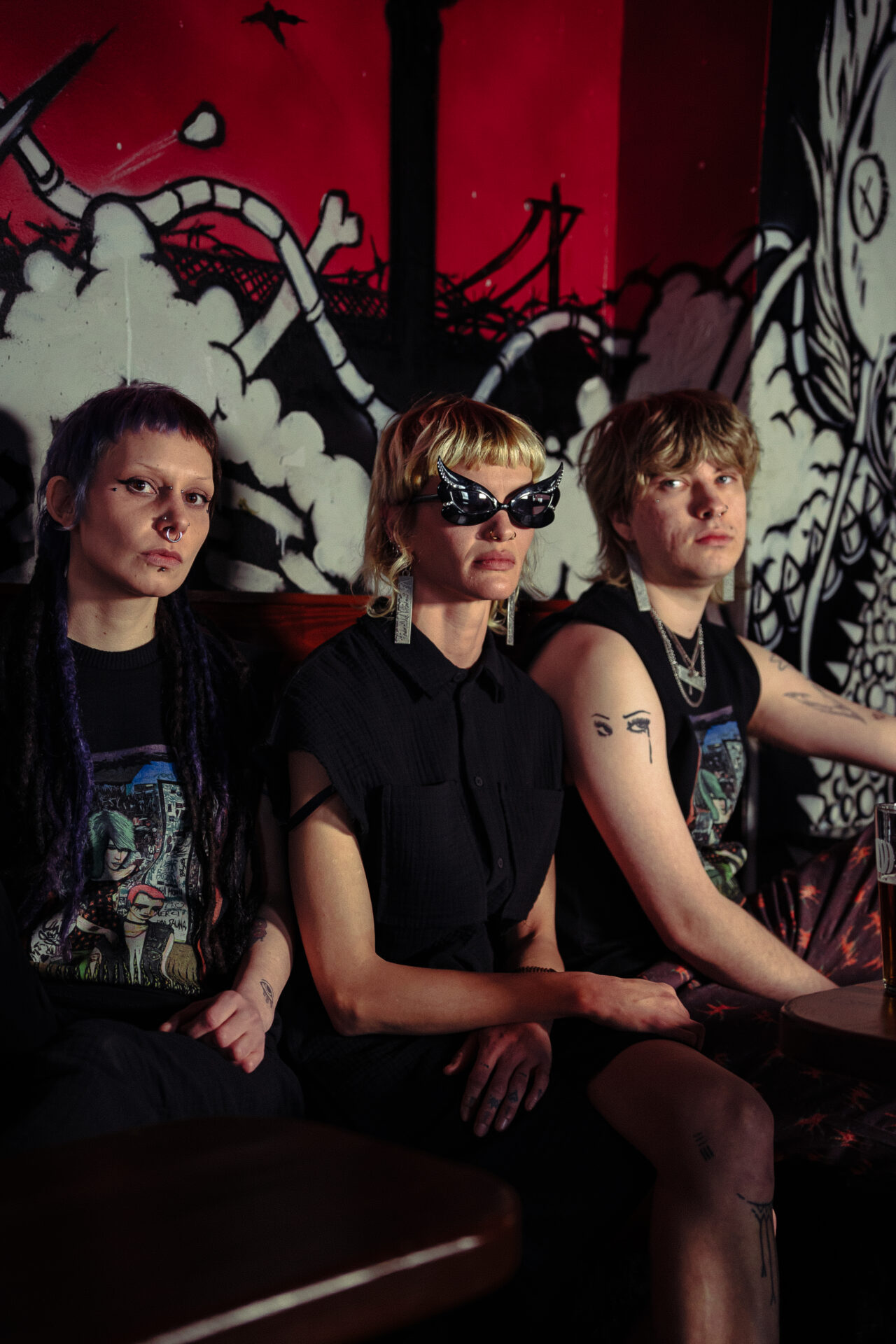
Sustainability Without Empty Buzzwords
Sustainability is core to Pispala, but not as a marketing gimmick. For independent labels, it is a practical reality tied to actual production costs. "Sustainable production is more expensive, and people are used to very cheap clothing," says Lauri. Rather than racing fast fashion to the bottom, Pispala crafts pieces meant to endure. Their goal is long-term value: clothing designed for durability, resale, and a long-life cycle, far from today's disposable culture.
Clothing Without Rules
Another distinctive aspect of Pispala Clothing is its relationship with the audience. Rather than designing for one specific customer or demographic, the brand leaves space for personal interpretation.
“I want people to interpret the collection in their own way.”
- Lauri Järvinen
That openness changes how the clothing functions. The garments don’t impose a fixed identity on the wearer; they become part of the wearer’s own self-expression. Despite all the artistic layers behind the brand, one idea remains central throughout every collection: comfort. For Lauri, that remains the most important element. But comfort here goes beyond physical fit. It also means feeling natural, confident, and unrestricted in what you wear.
Process, Practice, and the Future
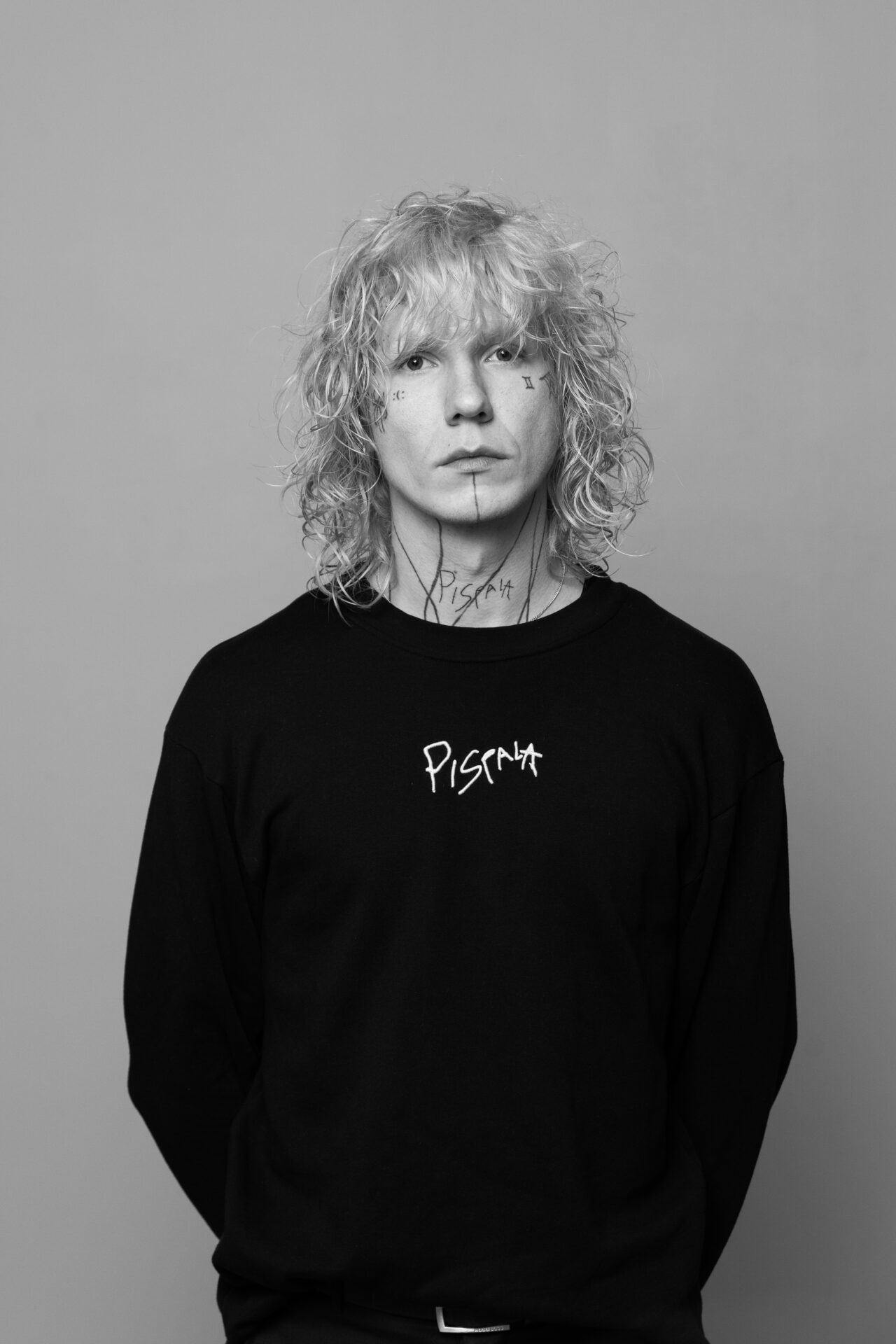
Behind every collection is a creative process built on constant practice and intuition. Lauri sketches continuously, always carrying a sketchbook and developing ideas over time. For him, creativity isn’t one sudden moment of inspiration; it’s an ongoing process of collecting, refining, and connecting ideas until something meaningful begins to emerge.
Looking ahead, Pispala Clothing has no interest in staying within strict definitions. Lauri sees the future of the brand growing further into a broader creative platform, one that continues to expand beyond fashion alone. And perhaps that openness is exactly what makes Pispala feel so relevant right now. In an industry often dominated by trends, branding, and fast consumption, the brand offers something more human-centered and personal, a space where fashion, art, and collaboration are allowed to evolve naturally together.