The Design Alphabet
Photos: SANNI SALOKERO
Published: May 29, 2026
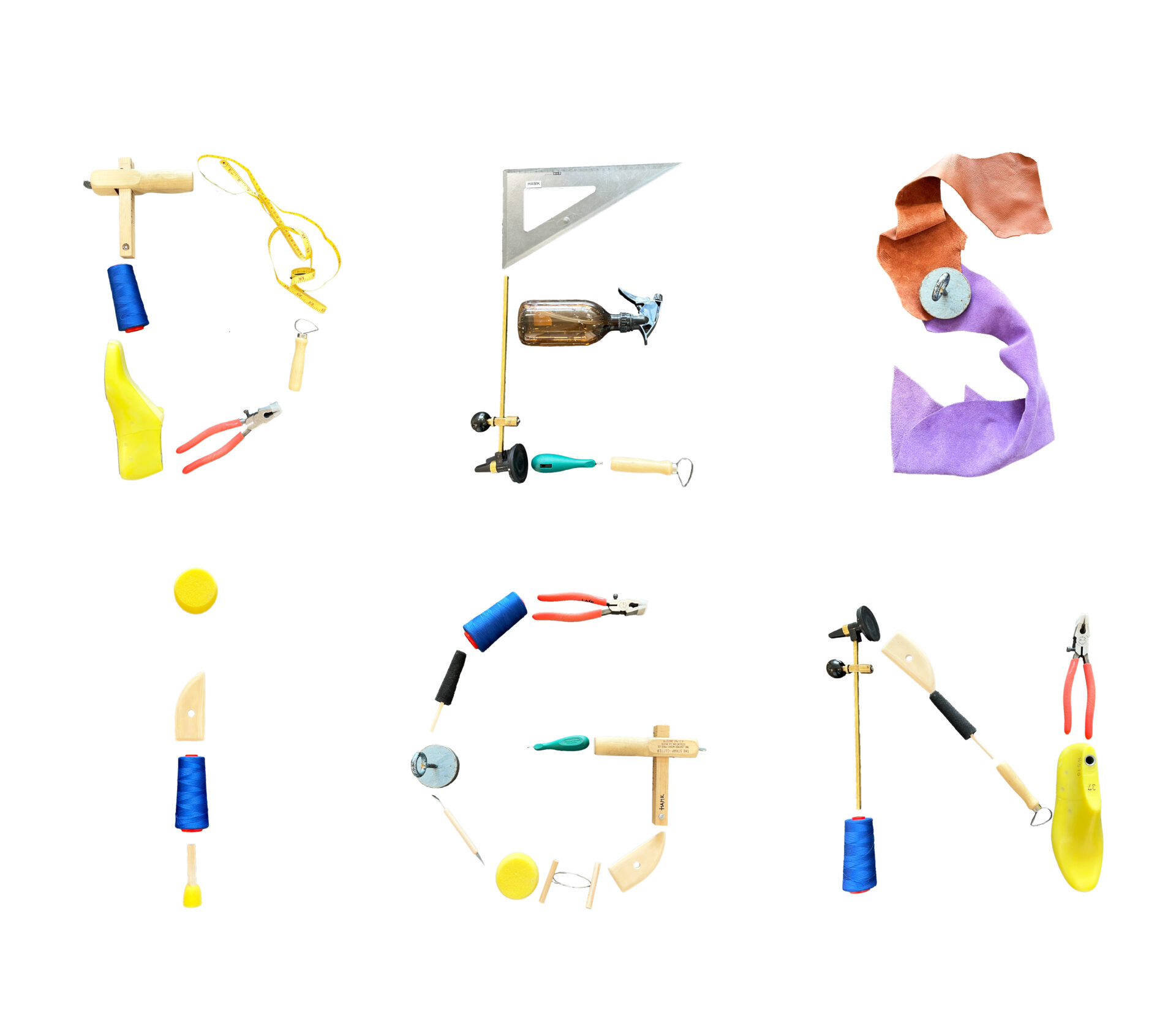
What does it mean to be a designer? What does it entail and what skills do you need to keep in mind while designing? I have gathered a list of things I’ve learned during my studies at HAMK on what it really means to design. Letter by letter.
Develop and Define
As good as your first idea is there is always room for development. This is not to say that your first idea is bad and belongs in the trash but that it needs to be defined and developed further to make it the best it can be. Rome wasn’t built in a day, so why should your idea be? Of course, there are always exceptions to the rule, but to not develop your idea further is not giving it a fair chance to succeed.
Also developing your skills further is a true mark of a designer. A thirst for learning and expanding your skills is an asset you will thank yourself for having in the future. Never turning down a learning opportunity is what can really differentiate you from being a good designer versus a great designer.
Experiment and Express
Now, here’s the fun part. Experiment! What works, what doesn’t? Is this the best way to make this, or should I try a different technique? You won’t know unless you try, and you could strike gold during. With every experiment you do, you always learn something new and are a small step further in the design process and making an idea into reality.
If you have an artistic bone in your body, don’t hesitate to use it. It’s important to put your own spin on things. What can you bring into a product that already exists? How does your touch make it special? Do not be afraid to express yourself! You are a unique human being and so are your ideas and techniques. You should let others see it too.
Shape and Sustain
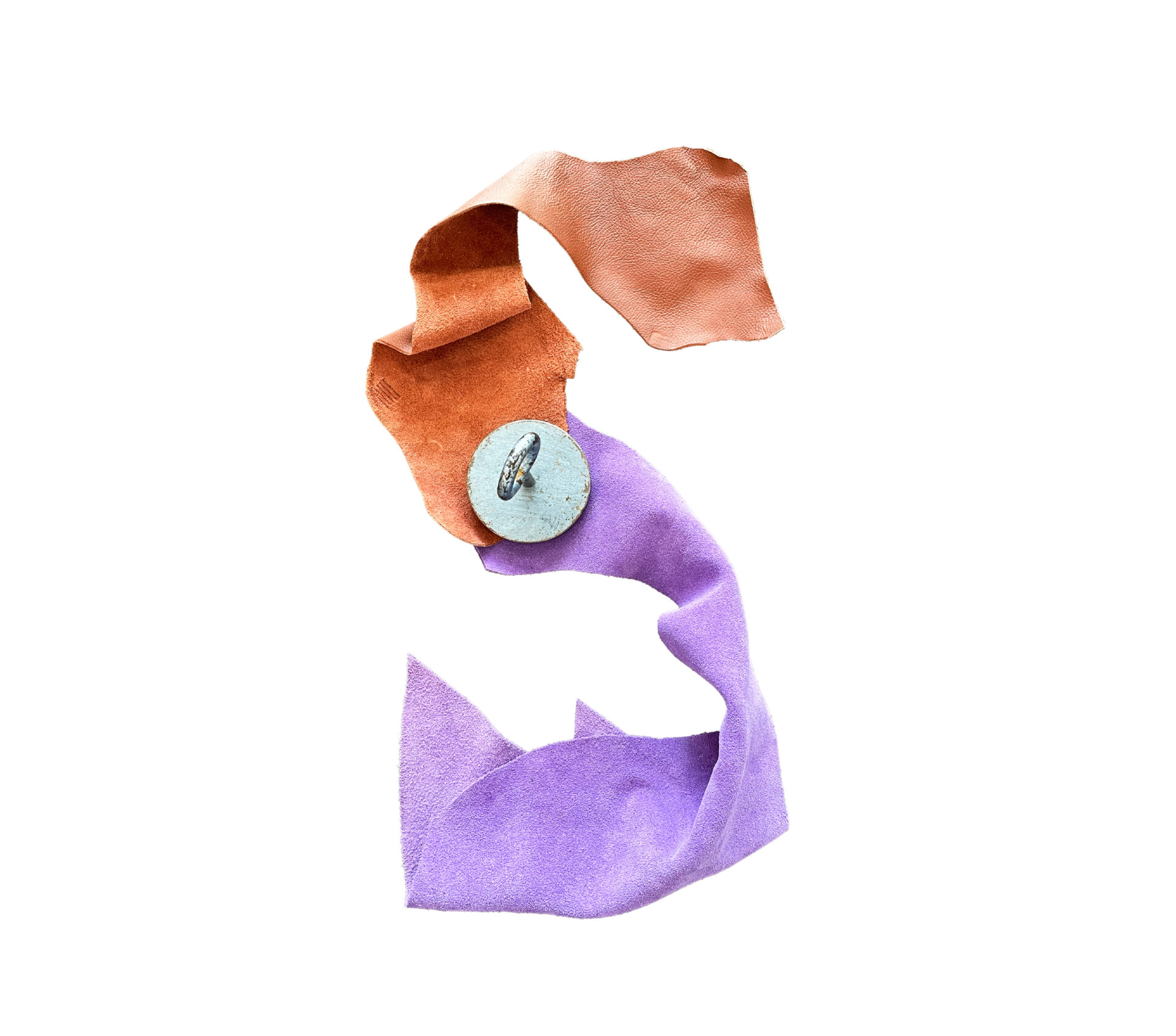
In the Finnish language the word “designer” is translated as “muotoilija”. “Muotoilija” can again be translated and roughly means “shaper” or someone that gives form. Of course, shapes are important in designing as a physical aspect, but also the act of shaping is significant in the design process. Making sketches and figuring out the form of the object or concept is a key step in developing your ideas, and prototypes are a way of showing your sketches actually work in the 3D space. So, do not overlook this step.
We also need to question our own work. Is this product needed and long-lasting? Does it bring value to whoever uses it? Are the materials and processes used sustainable? With the growing threat of climate change and our resources running out, designers have a big role in making a lasting change and impact on the industry. Think about what the impact of your design is and if it’s worth producing on a larger scale.
Innovate and Inspire
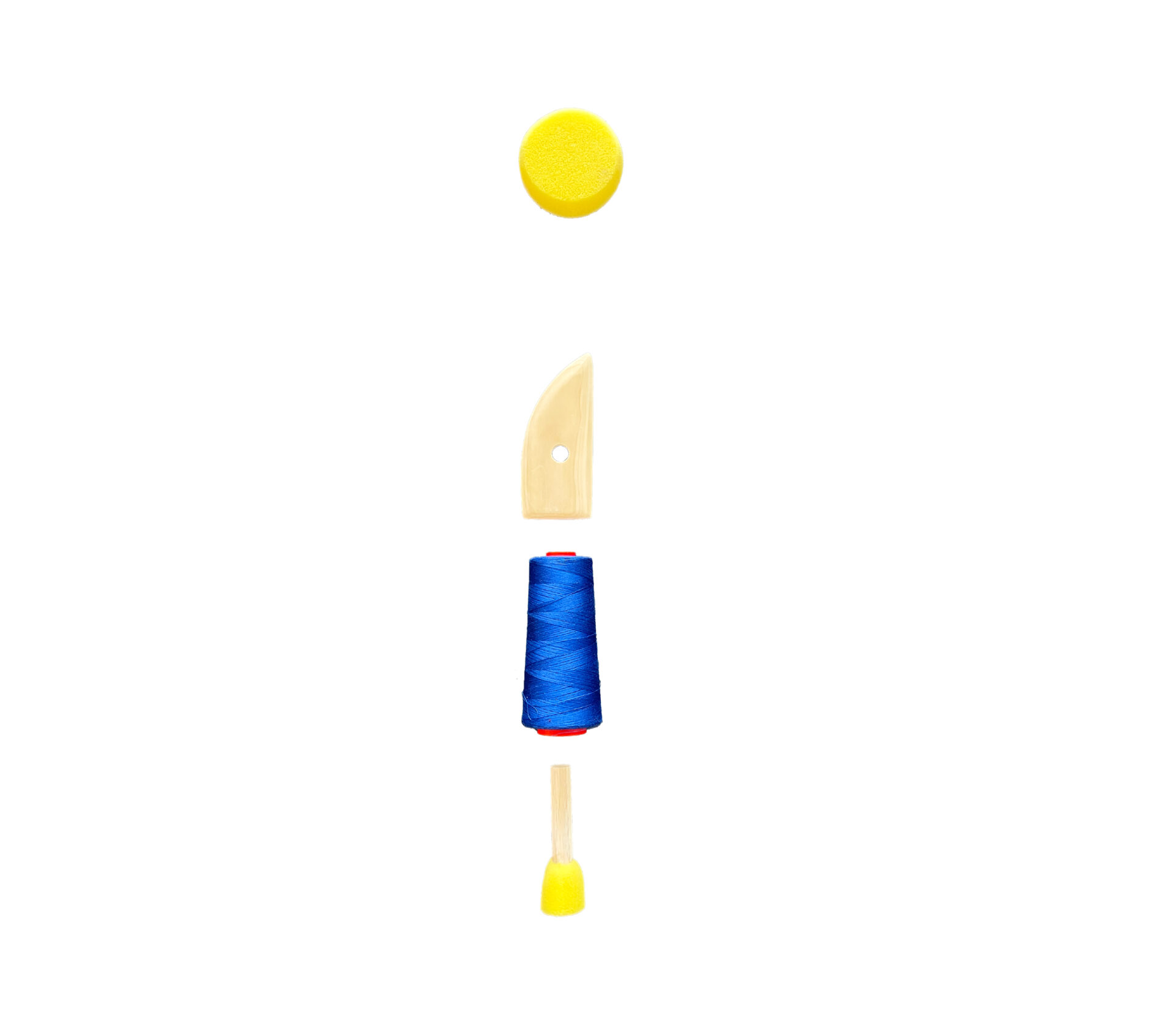
Ideas can strike you like a lightning bolt from the sky, but innovations need time to simmer like a good stew. So, jot down your ideas when they strike you, big or small, brilliant or dumb because you can never know which one will be useful in the future. One of them could turn out to be an innovation in progress.
Remember that small ripples make big waves. As much as you can get inspired by things and people surrounding you, other people can feel that way about you too. It is good to think about how your actions affect others and how you can lead by example. So, if you’re ever feeling a bit low, reminder yourself that you are an inspiration.
Get Some Rest and Get Out of the Box
We all know that rest and a good night’s sleep are important to get your days rolling. However, rest does not only mean physical relaxation, but a rest of the mind. A good break from the active part of designing can do wonders on the whole process. A reset of the brain can help new ideas surface. Longer breaks like a walk in a nearby forest or a weekend in a new city can boost your inspiration.
Sometimes it’s good to stay inside given guidelines but many times that is where predictable things happen. Boxes can be great for keeping things in order and organized, but they can also be very restrictive. Breaking of the rule can sprout amazing new discoveries, and stepping outside of the box is good for testing your own limits.
Network and Notice
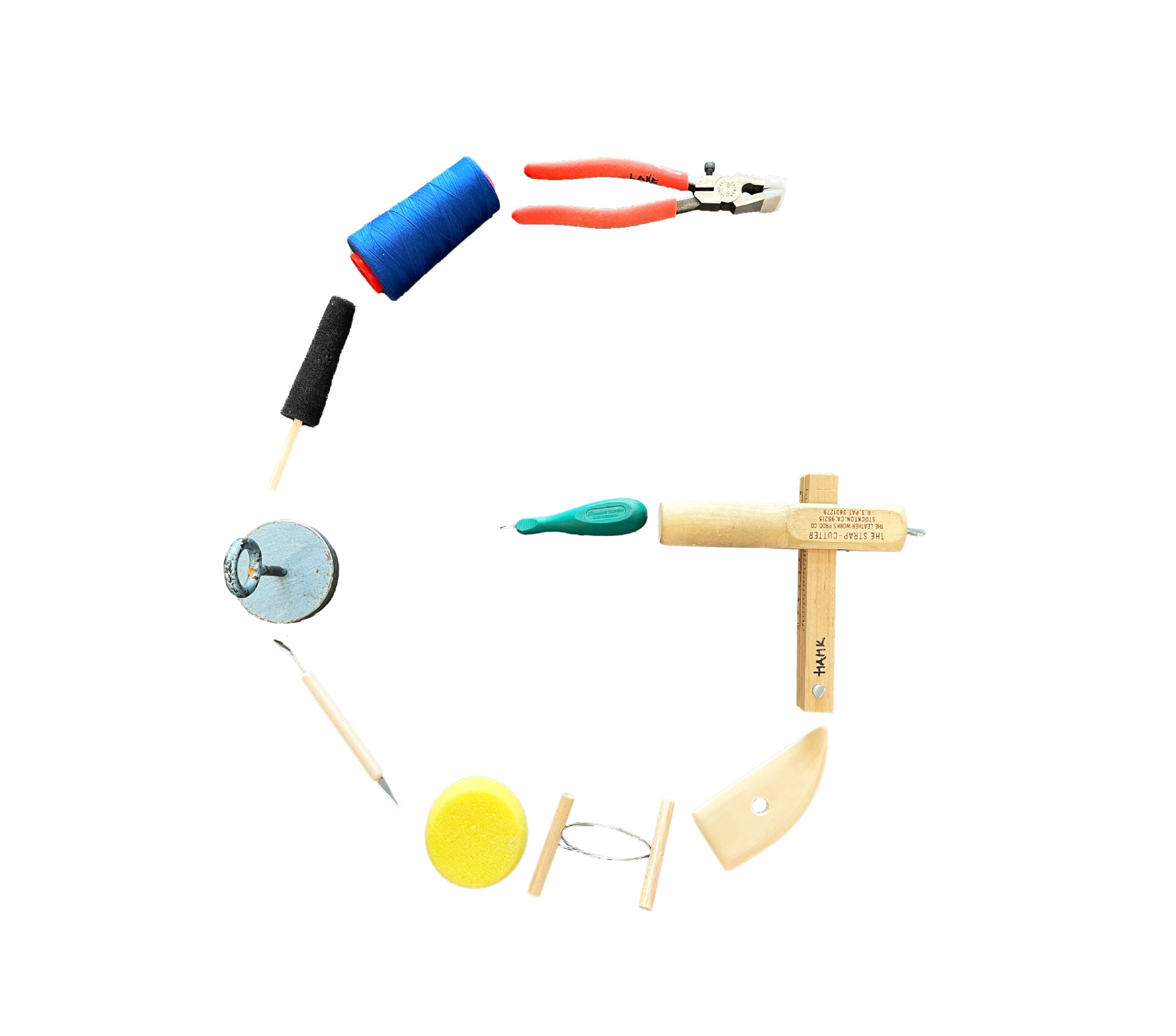
Networking may sound like a finance bro buzzword, but it can be as simple as making a friend in the field. The more people you become acquainted with, the more opportunities can come your way. People who know what you’re talking about without having to explain yourself, can offer huge support and advice when you most need it. Collaboration is one of the important assets that networking can give you. There is a lot of power working with two brains instead of one.
The art of noticing can be applied in design as well. Not only is it important to notice the beauty around you in everyday little things that can spark inspiration for your next project, but it’s also integral to notice the problems and pitfalls in people’s lives so you can help in solving them through your designs. Stay alert because you never know when or where your big break could find you.