Fail Better: The Hidden Side of Design Process
Photos: SHIQI ZHOU
Published: May 29, 2026
More Than Just a Finished Object
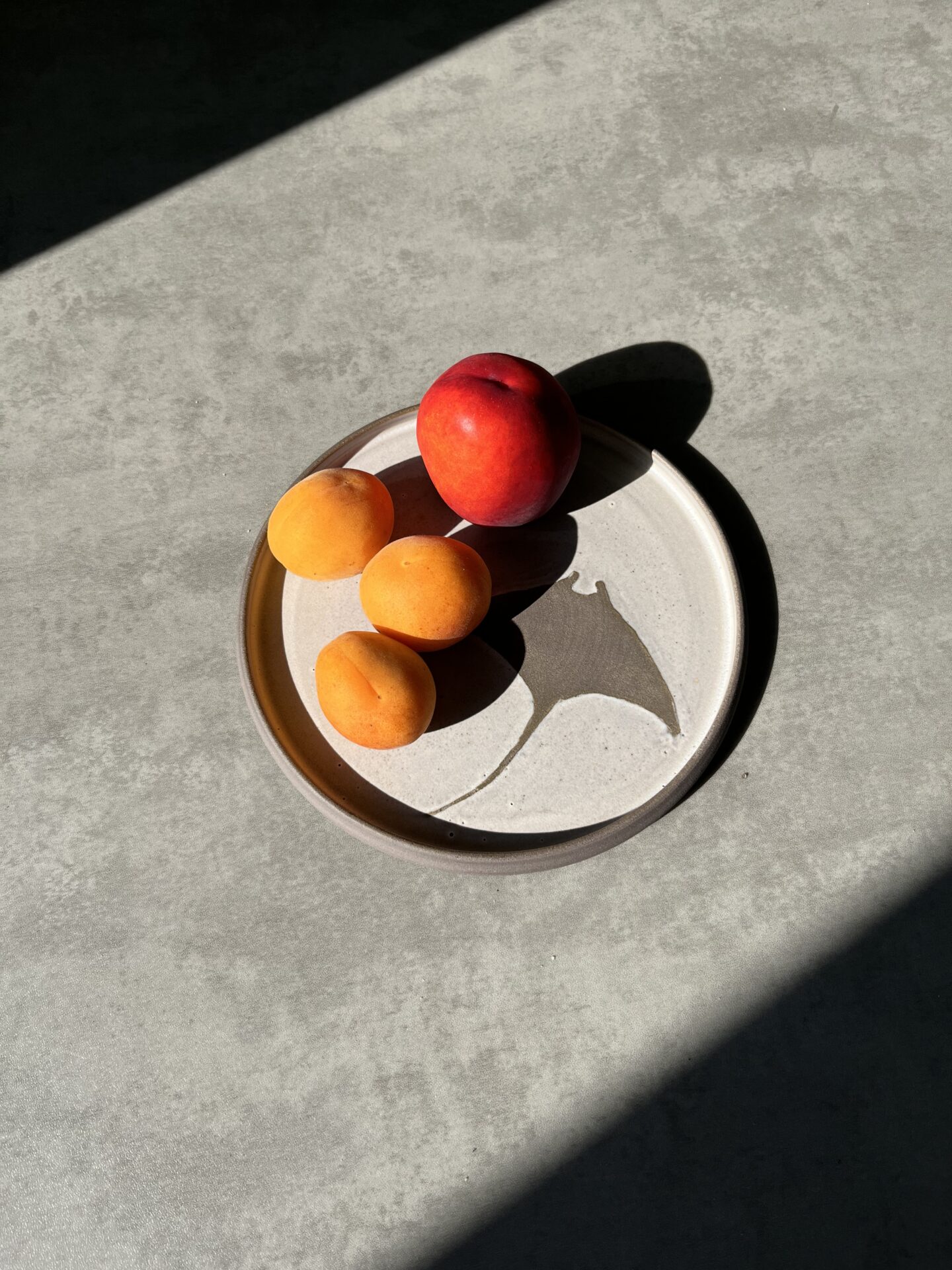
When people see a well-designed object, they often pay attention only to the polished outcome. Finished ceramic or glass pieces, a carefully made pair of shoes, or a collection that looks effortless on the runway can make the entire process appear smooth and perfectly controlled from beginning to end. They rarely notice what’s missing: the prototypes that broke, the fabrics that shrank, the colors that bled and all those days when nothing worked and quitting sounded reasonable. Yet these difficult moments are often where the most important learning happens. In design education, failure is not something separate from success; it is part of the process that shapes it. University gives students the freedom to experiment without the pressure of perfection. It becomes a safe space where ideas can fail, materials can behave unpredictably, and mistakes can slowly turn into valuable lessons that shape both the project and the designer behind it.
Second-year ceramics student Shiqi Zhou shared a strong example from her own experience. She talked about what it’s like when a project just starts unraveling before your eyes. You plan, you experiment with materials and then things go wrong. She didn’t just face technical problems; there was also the stress of deadlines, the disappointment when things failed, and the tough call to scrap everything and start over. All that frustration pushed her to rethink her approach, and in the end, those setbacks made her final piece stronger and more meaningful than anything she’d planned at first.

An Accident Becomes Inspiration
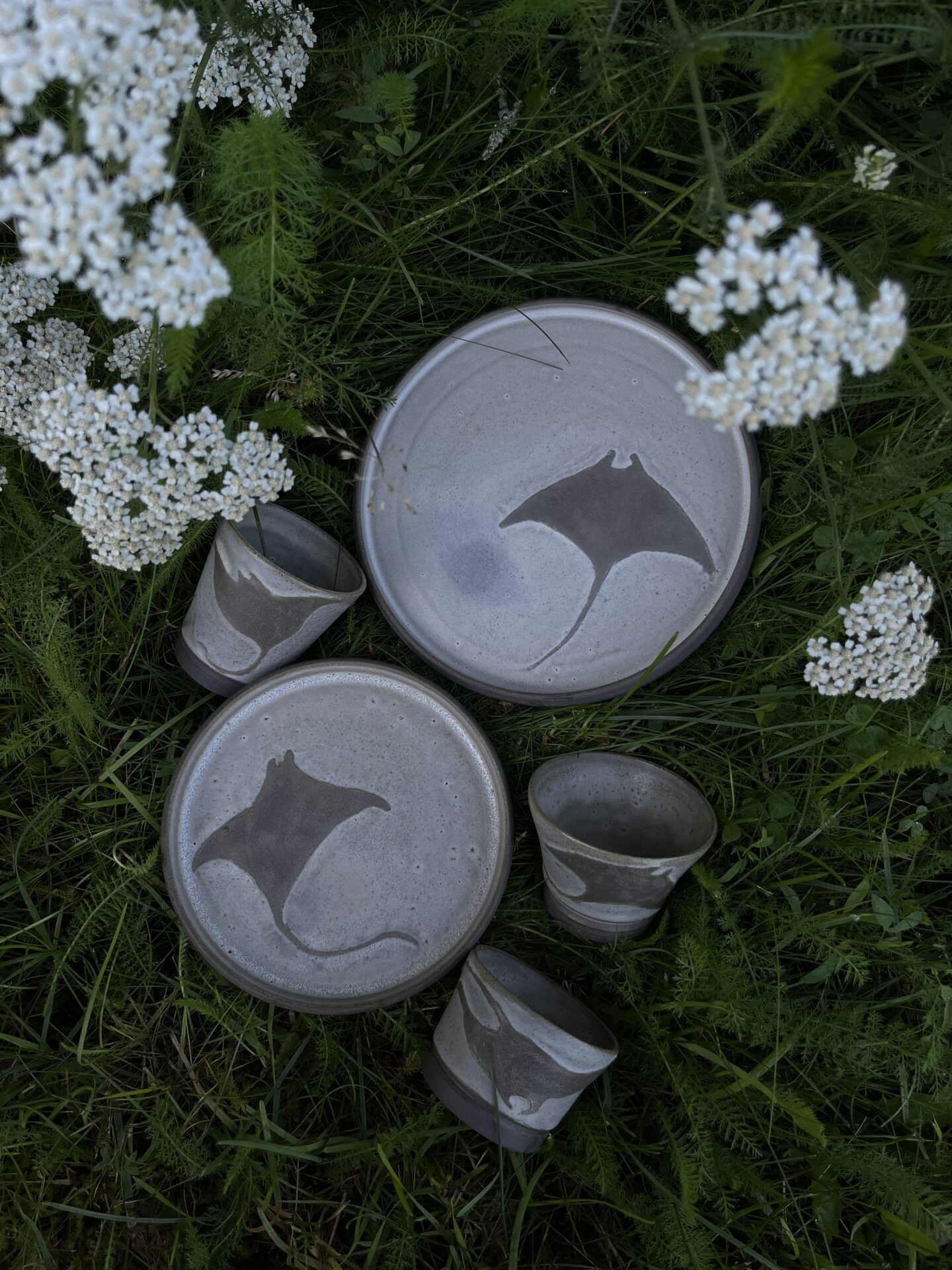
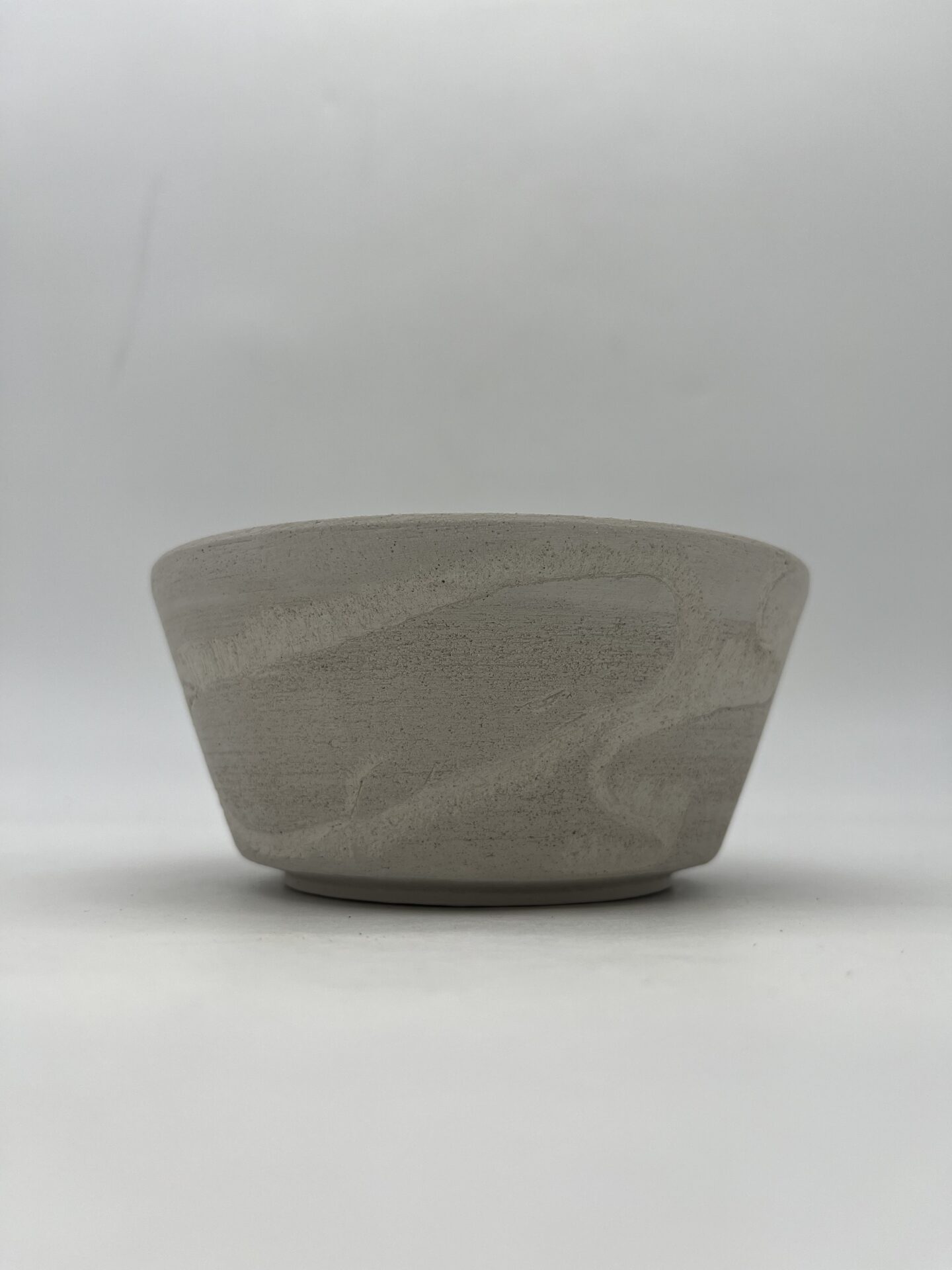
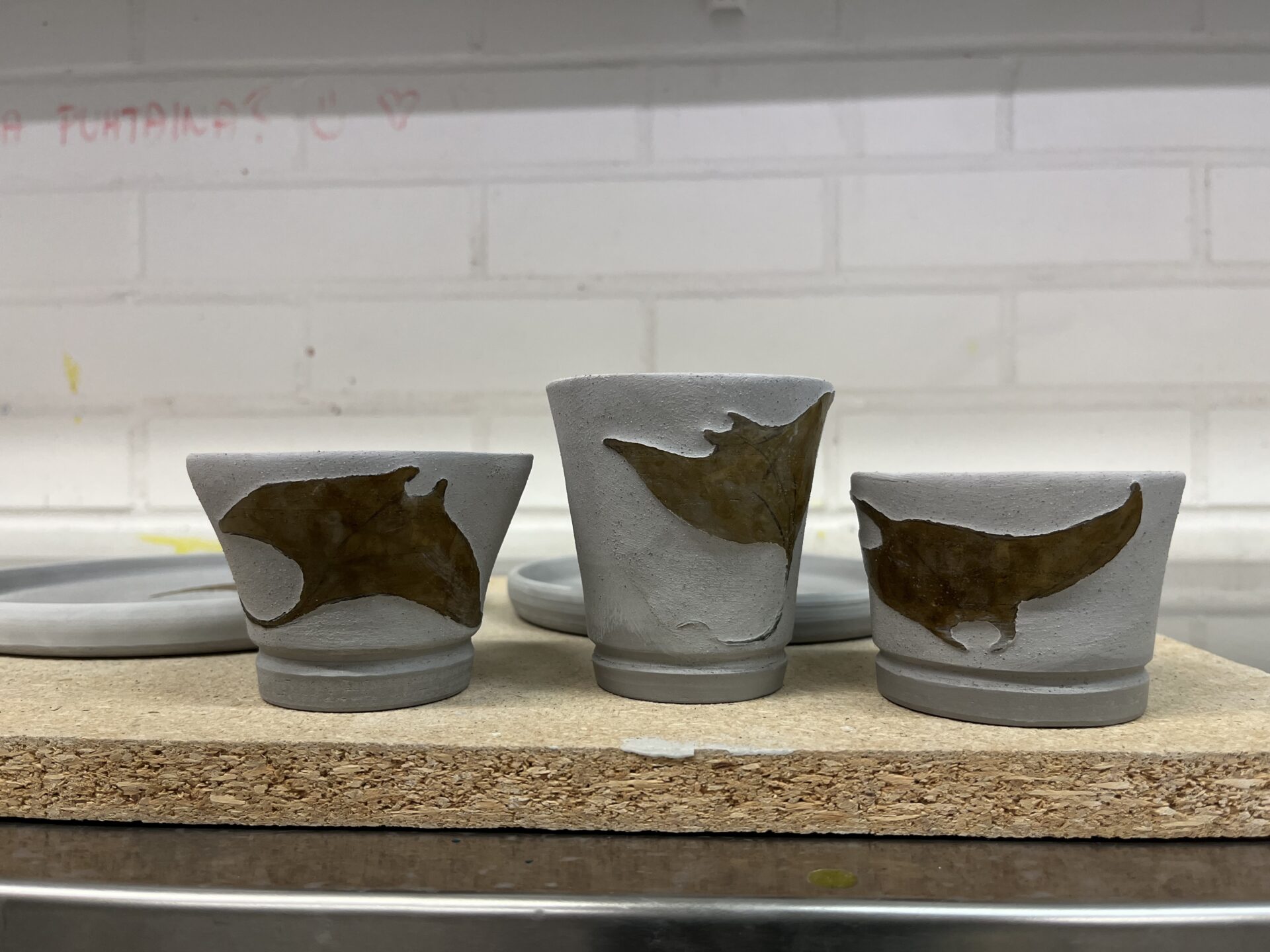
Shiqi’s summer project focused on creating a ceramic tableware collection while researching recycled clay materials. The real spark happened by accident. In the studio, she threw together some leftover black and white clay instead of tossing it out. After firing, the new clay came out in an unexpected warm grey-brown shade that looked nothing like the original materials. What began as a random experiment quickly became the foundation of the project. Inspired by the accidental discovery, Shiqi decided to explore how leftover clay could be reused while developing a collection decorated with carved ocean creatures.
At first, everything seemed promising. But the process soon became much more difficult than expected.
Small Mistakes Become Bigger Problems
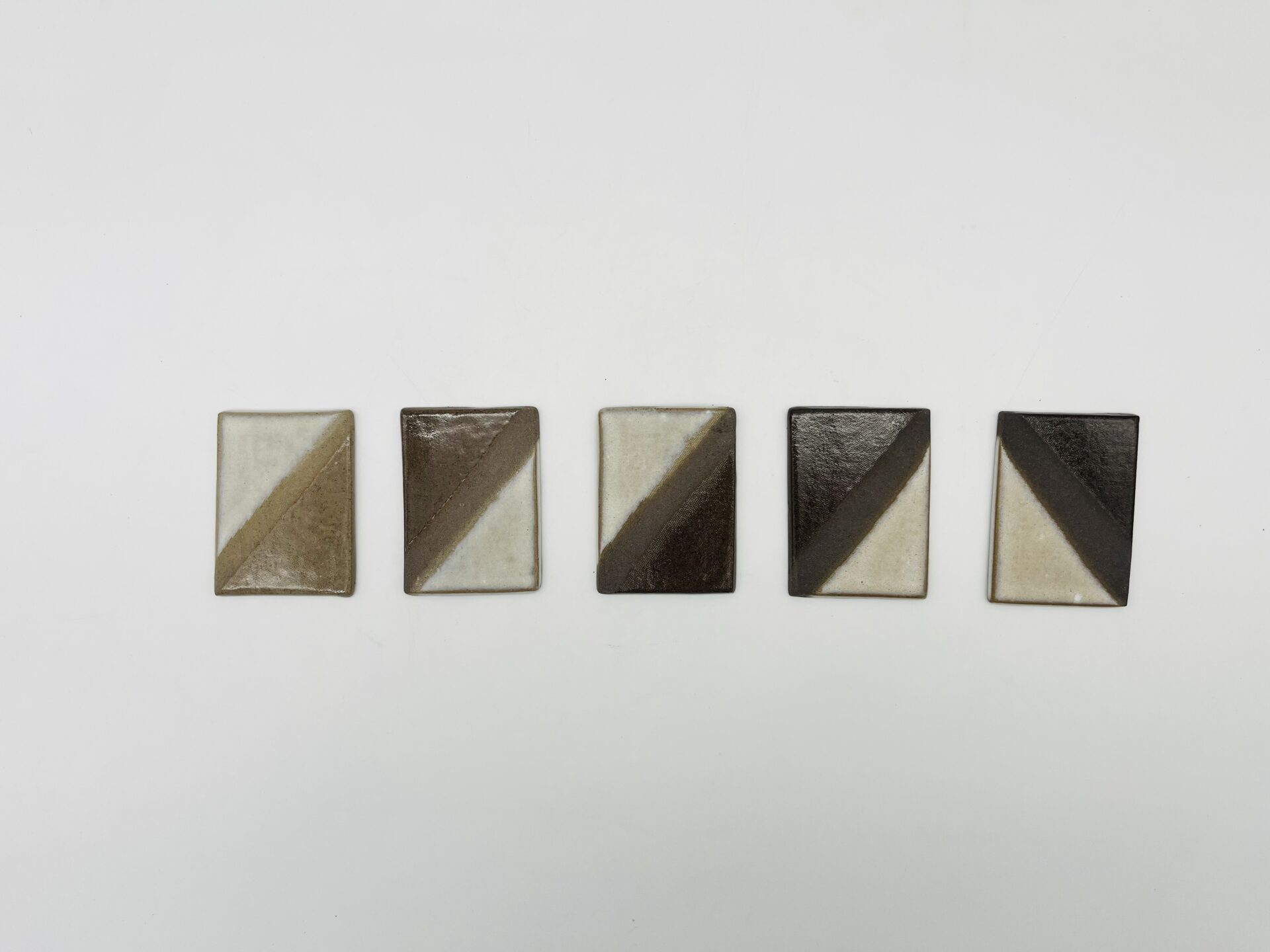
The first issue showed up during testing. Shiqi started with too much black clay mixed in, and when she fired the test pieces, they looked almost the same, there was barely any visible difference. She felt disappointed, but instead of abandoning the idea, she continued adjusting the ratios until she got the warm tone she wanted. The bigger problem came later during glazing.
Shiqi planned to combine blue-green glazes around the carved sea creatures to achieve an atmosphere inspired by the Northern Lights. Earlier tests with these glazes came out beautifully, so it seemed unlikely to fail. But after the final firing, the darker clay ended up muting the glaze colors in ways she hadn’t expected. The glowing effect vanished, and the glazes threw off the visual balance of the entire collection. The first complete version had essentially failed,” Shiqi says. The timing made the situation even more stressful. The deadline was already close, and after spending so much time on throwing and carving, restarting the collection from the beginning felt overwhelming.
Starting Again
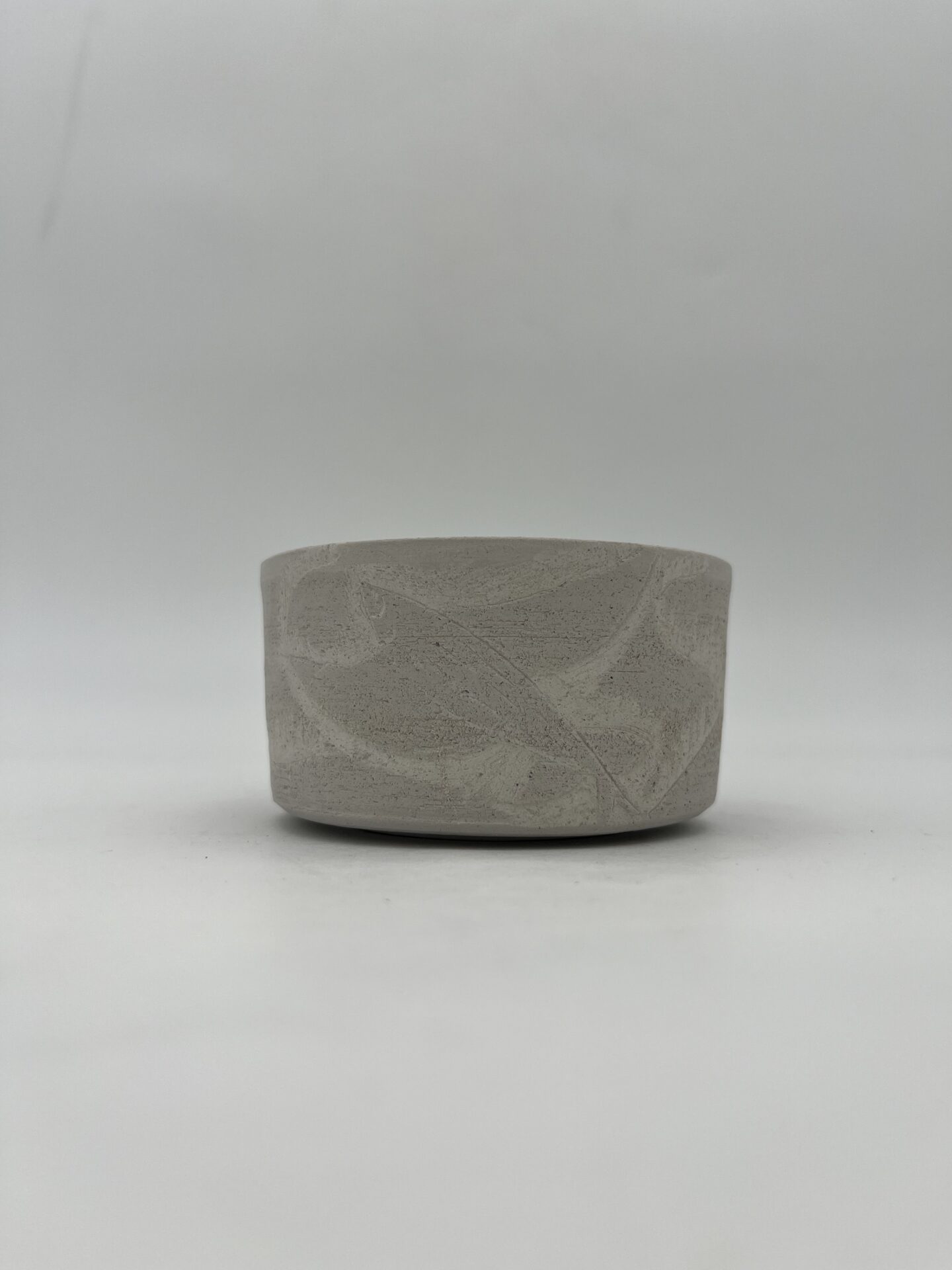
Looking back, Shiqi now sees the failed firing as the turning point of the whole project. That moment showed her just how crucial testing is when you’re dealing with unfamiliar materials. A glaze that behaves beautifully on one type of clay can fall apart on another.
When Shiqi started over, she changed her whole approach. She began taking detailed notes on clay ratios, glaze mixes, and firing results instead of relying on memory alone. The failure pushed her to make the project visually stronger, too. Instead of mixing all kinds of sea creatures, she focused on manta rays, which created a more unified and cohesive final result.
Significantly, the second version became stronger precisely because the first one failed. That setback forced Shiqi to slow down, think her decisions through and develop a lot more patience as a designer.
“Every mistake refined the designer I’m becoming.”
- Shiqi Zhou
Why Failure Matters
Stories like this are very common in fields of design and creativity, even if they rarely appear in final exhibitions or polished portfolios. It is full of uncertainty, experimentation, surprises, and plenty of things you just can’t control.
That is why university matters as a safe space for failure. Students are given the opportunity to make mistakes, adapt under pressure, and learn how to continue creating even when things go wrong. Sometimes, the biggest lessons come from the projects that fail first!